

Hi Multis
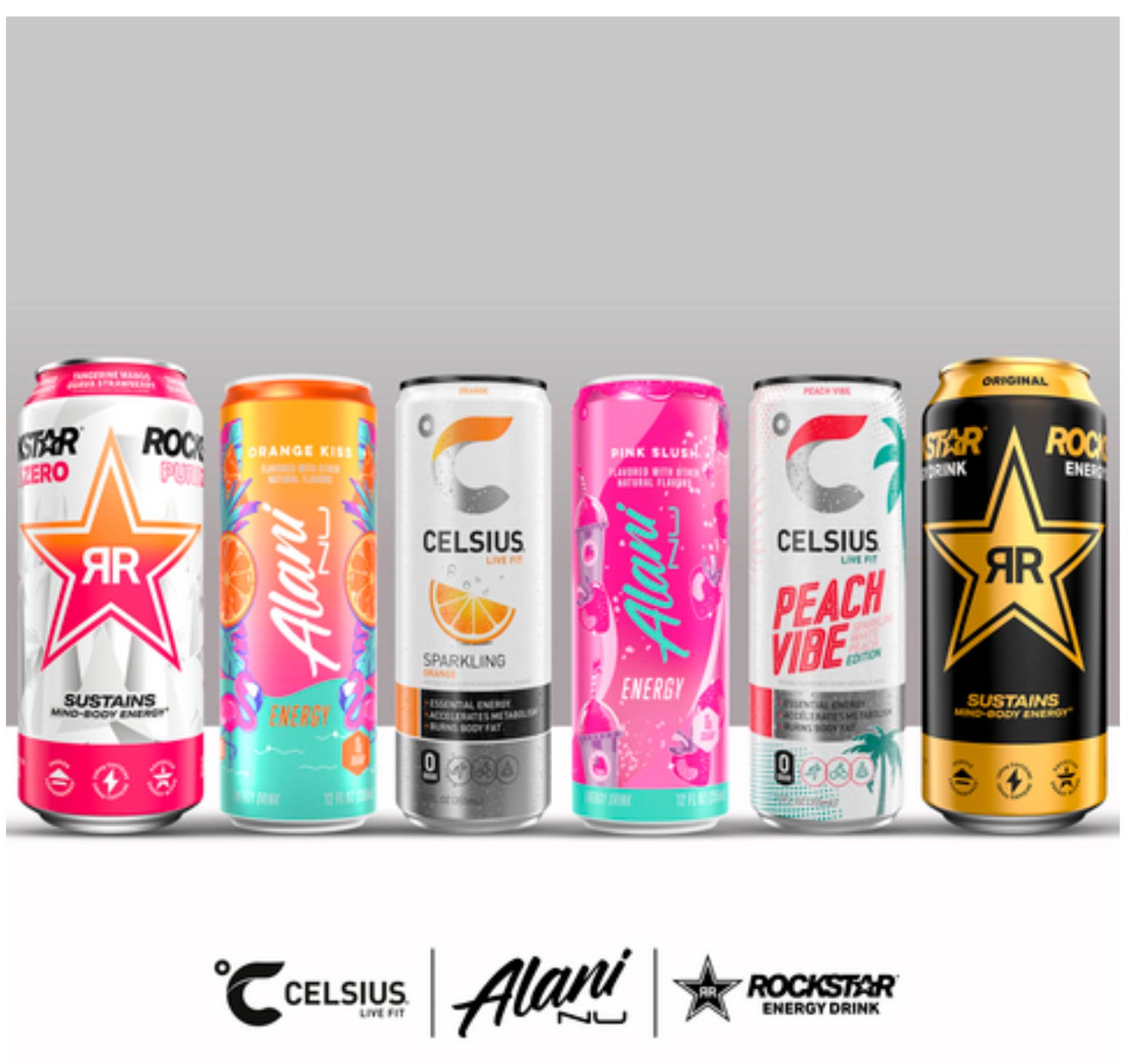
Celsius Holdings (CELH) reported its Q2 2026 results on August 6, and the stock fell about 20% into the low $20s.
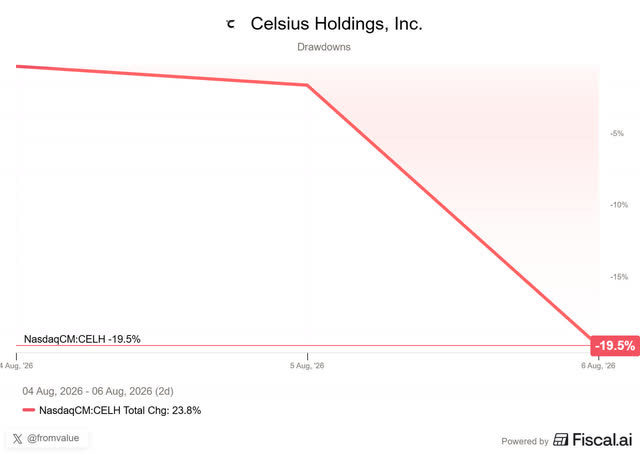
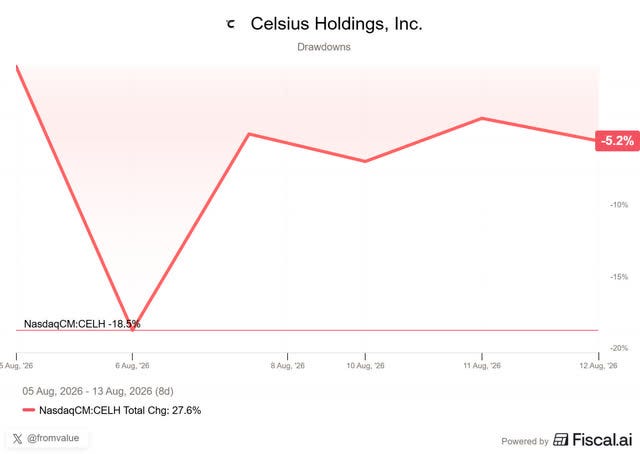
It recovered a big part of the losses, though.
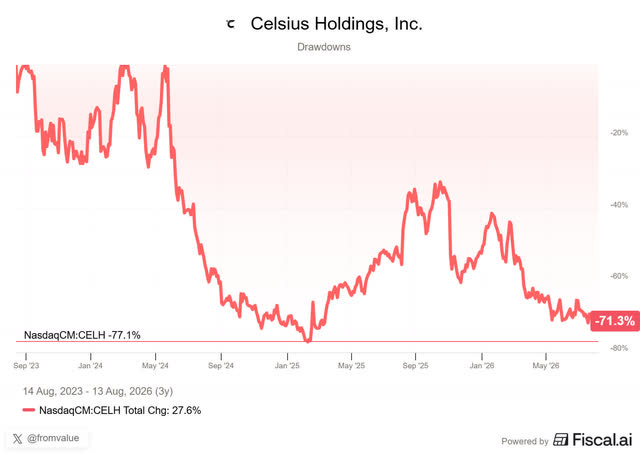
But at the same time, the stock is still down more than 70% from its 2023 highs (when I didn’t own it yet).
I wrote about the Q1 results in June. The Celsius brand grew 6% then, and I explained why that number was better than it looked at first sight. Management was removing regional flavors to create a single national assortment within the PepsiCo distribution network. Every removal costs revenue, but the core 12-ounce cans were still growing double digits in convenience stores.
Before we look at the analysis of this quarter, it’s good to know what we’re talking about, so let’s check the numbers.
The Numbers
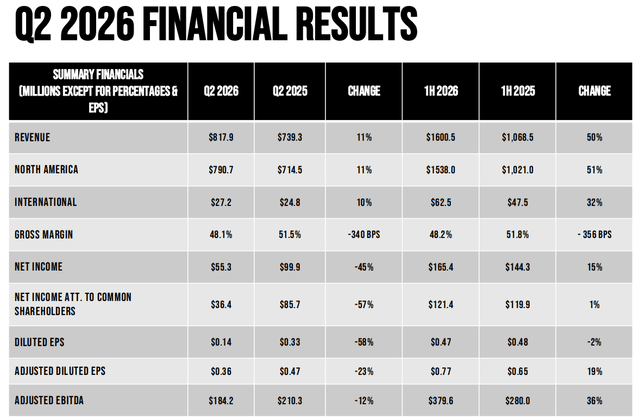
Revenue: $817.9M, up 11% YoY, missing the consensus by about $52M. That’s a big miss of 6%.
Adjusted EPS: $0.36, down 23% YoY, missing the consensus by $0.06. The biggest reason was a distributor termination charge, which is nothing to worry about.
GAAP EPS: $0.14, down from $0.33 a year ago.
North America revenue: $790.7M, up 11%.
International revenue: $27.2M, up 10%, and down from $35.3M in Q1.
Brand split: Celsius $387.0M (down 12% YoY), Alani Nu $364.4M (up 21%), Rockstar $66.5M.
Gross margin: 48.1%, down from 51.5% a year ago and roughly flat versus the 48.3% in Q1.
GAAP net income: $55.3M, down 45%. Net income attributable to common shareholders: $36.4M, down 57%. (The difference is that Pepsi owns a part of Celsius).
Adjusted EBITDA: $184.2M, down 12%, a 22.5% margin against 28.4% last year and 25% last quarter.
The Celsius Brand Is Now Shrinking
The Celsius brand had $387M in net sales, down 12% year over year. Next to the earnings miss, it’s probably the reason the stock got hit so hard.
CFO Jarrod Langhans gave more insight:
Starting with brand CELSIUS, net sales were down approximately 12% year-over-year, while retail sales in tracked channels were down 2% in the second quarter.
I’m going to discuss those 2 numbers separately because they are telling you 2 different things. The scanner number, down 2%, is the consumer...
The gap to reported net sales came from 3 things: shipment timing related to inventory rebalancing, increased trade and promotional investment, and softness in the club channel.
Scanner data measures what shoppers really bought at the store, not what Celsius shipped. That distinction is important.
The revenue bridge in the deck breaks the 12% down: scanner growth was minus 2%, contra revenue took a 3% hit (contra revenue is the money that never reaches the top line, things like promotional spending and discounts), the gap between orders and scans was 7%, non-ready-to-drink energy products dropped 2%, and international added 2%.
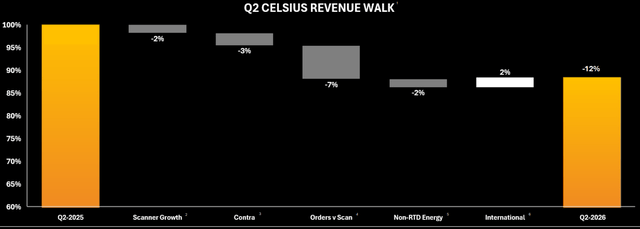
The 7% orders-versus-scan difference is inventory rebalancing in the PepsiCo distribution system. As SKUs come out (a SKU is a single item, one specific flavor in one specific size), distributors buy more inventory, but then buy less a while later. That goes in cycles.
The 2% drop is the real Celsius brand slowdown. And, of course, that’s not great.
When asked whether the SKU rationalization was the right call and what he’d do differently, CEO John Fieldly said:
We went too deep on the CELSIUS rationalization. I think when you look at we’re entering the year, we could have done a much lighter job on that. But then there’s also puts and takes. The integration on Alani could have been further challenged, and Rockstar. Looking back, I definitely would have not cut as many SKUs within the organization through these commercial plans.
I like the honesty, and I think it’s worth more than superficial marketing answers you often get. Adjusting the course is the best thing you can do for any business and acknowledging you were wrong so fast after implementing the rationalization is a strength.
There’s a second self-inflicted wound that has consequences for revenue growth. CEO John Fieldly said they deliberately held back innovation on the Celsius brand while integrating Alani Nu and Rockstar, and that means the brand is now lapping six innovations from last year with nothing new to replace them. It’s normal you don’t do great then.
There’s a number that remains very positive, though: dollars per point of distribution rose about 16% from Q1 to Q2, despite about 7% fewer points of distribution.
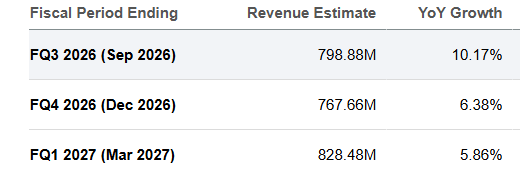
CEO John Fieldly expects Q3 to look a lot like Q2 for the Celsius brand, with a return to growth in Q4. So, if you care about the short term, don’t expect Celsius to move anytime soon. The weird thing is that the analysts don’t see an acceleration in Q4 or Q1 2027 in their forecasts.
We also have to talk about Costco. In June I wrote that Costco’s Kirkland energy drink was scaring the market more than it was hurting the business, and I estimated the total damage at maybe 1% to 2% of sales. I still think that argument is mostly right. Over 60% of energy drink sales happen in convenience stores and gas stations where people buy one cold can, and nobody drives to Costco for a single drink.
But management has now named club softness as one of the three reasons the flagship brand fell 12%. That doesn't prove Kirkland caused it, and club channel weakness can come from a lot of places, including Celsius pulling its own SKUs. But it's still remarkable.
If the scanner number for the Celsius brand stays negative once the innovation returns in 2027, private label is probably doing real damage.
Below: the real Alani Nu growth number (it’s better than the reported number), the Selling Rules, Quality Score and Valuation Score.
And also what I’m doing with the stock now. Don’t want to miss this?